Color Theory for Hair
Color is the foundation of hairdressing. Knowledge of color enables a hairdresser to select, formulate…
Color is the foundation of hairdressing. Knowledge of color enables a hairdresser to select, formulate and apply the right colors to enhance the client’s complexion and natural appearance. Failure to apply color principles compromises the finished look of the hair and may lead to tonal problems, discoloration, and customer dissatisfaction.
Hairdressers use colour theory to achieve both creatively and technically accurate outcomes for natural tones, highlights, balayage, and creative colours.
Get to know the Color Wheel
primaries secondaries and tertiaries
Three primary colors: Red, blue, yellow — the foundation of all colors.
Secondary colors: Green, orange, purple — created by mixing two primary colors together.
Tertiary Colors: Colors that are made when you mix a primary color and a secondary color together.
Next up, we have the warm vs cool tones debate. Now, this can get a little confusing because even if you have cool undertones, you can still pull off warm colors and vice versa. Basically, if you have blue or pink undertones, you’re cool. If you have yellow or golden undertones, you’re warm. I have no idea how accurate this is but I think I might be neutral because I can rock both! Again, take this with a grain of salt because it’s not an exact science.
Warm Tones: Reds, oranges, golds — adds warmth and energy, harmonizes with warm skin undertones.
Cool Tones: Blues, purples, ash tones – gives a subtle and polished look, works well with cool skin tones.
Neutral Colors
Beige, brown, taupe: Earth tones that can be used to mix, mute, or neutralize other colors.
A must have for natural makeups, color corrections and professional techniques of makeup setting.
How to Choose Your Hair Color According to Your Skin Tone Fair Skin
Warm blondes, soft browns, and pastel highlights will look best on fair skin.
Steer clear of anything too dark or dramatic with hard contrasts.
Fair to Medium Skin
Also capable of carrying an even broader color spectrum such as caramel, honey and deeper browns.
Subtle warm highlights and lowlights create texture and contrast.
dark skin
From deep chocolate and auburn, to bold red, burgundy or jewel-toned red, warm tones add depth and dimension to natural color.
Strategic highlights can add shine and dimension without overwhelming your natural glow.
Tone Implications
Cool Undertones: Ashy colors, cool blondes, and muted colors make natural tone look good.
Warm: Golden, copper, and caramel tones add warmth and dimension.
Using Complementary Colors
As a Highlight
Highlights of lighter tones to add depth and dimension.
We offer foil highlights, balayage, and babylights to achieve a more natural look.
Cons
The darker colors add contrast and depth.
Also used to neutralize brassy tones in the hair or enhance natural base color.
Balayage and Ombre.
Balayage: Highlighting that is painted on with a brush to create natural, sun kissed looking highlights.
Ombre: A darker root color that gradually lightens toward the ends.
Warm and cool colors are key to both methods, used to create a blending effect.
Basic Concepts in Color Correction
The Elimination of Incorrect Tones
Green Counteracts Red: Good for fixing sallow color.
Purple cancels out Yellow: Perfect for platinum blondes or to cancel out brassy tones.
Blue Counteracts Orange: Neutralizes warm/brassy tones in brown and red hair.
Promoting Ecological Harmony
Neutralize discoloration with opposite tones.
Customize the strength of the formula and developer used according to your hair’s porosity and the look you want to achieve.
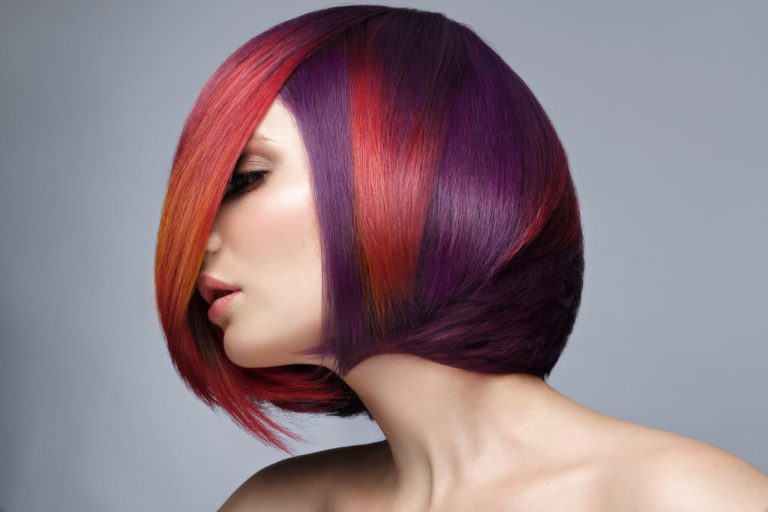
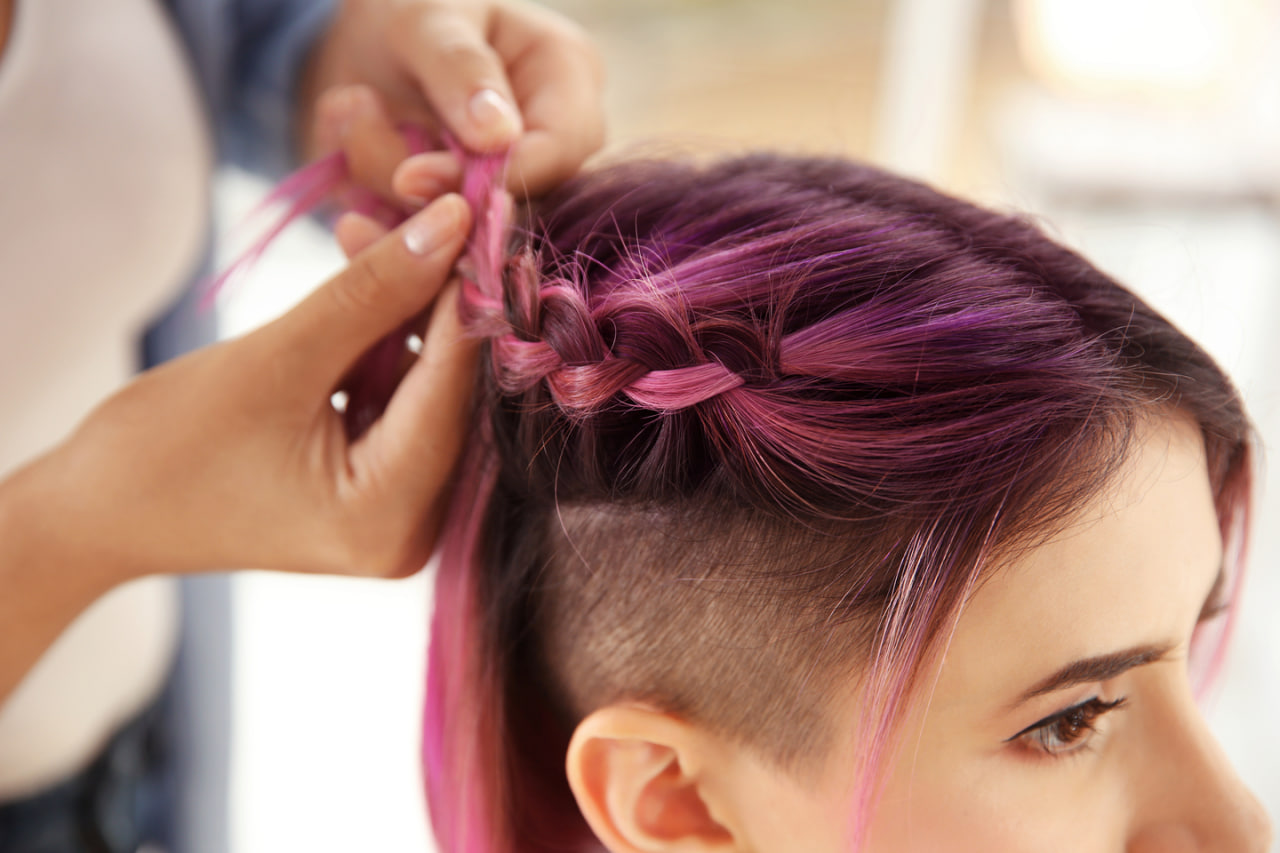
Artistic and fun hair coloring options. Pastel and fashion colors.
These colors must be pre-lightened to achieve the true color desired.
When you combine complementary and analogous colors, it can add depth to your design.
Tonal Music Genres
Mix and match different shades to create layers of texture, depth and visual intrigue.
Knowledge of undertones guarantees compatibility and creates cohesion.
Materials and Methods for Applying Color as a Pro
Sectioning Clips: Keep those sectioning clips clean and tidy for accurate use.
Brushes: Use separate brushes for highlighting, the base coat, and detailing.
Mixing Bowls: Offer the option to try out specific colors and tones.
Color Charts: For determining what colors are analogous or what colors to use to correct for discoloration.
Steer clear of these errors:
Picking colors without taking into account your skin undertones or hair color.
Streaks or a patchy effect caused by over- or irregular application of color.
Not sectioning correctly and not allowing enough time. This will cause inconsistent results.
Ignoring care instructions, which impacts longevity and luster.
Hair Colorists: Some advice from the pros.
We recommend doing a strand test before applying it all over.
Know the client’s lifestyle, care habits, and expectations.
Stay current on seasonal fashion, the latest colors and expert methods.
Keep a record of working colour combinations for future use.
Be upfront with your clients about what you can do and what to expect and how to take care of them.